

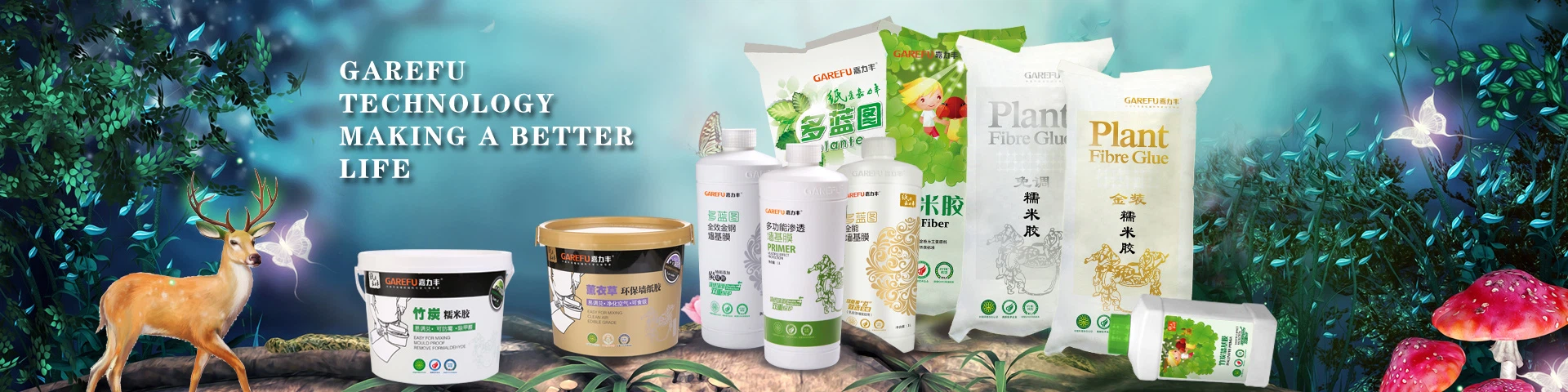
Wallpaper adhesive paste is a type of glue specifically designed for hanging wallpaper. It is a water-based adhesive that is used to attach wallpaper onto walls. This paste is usually a white viscous liquid that is applied onto wallpaper to create a strong bond between it and the wall.
Benefits of Wallpaper Adhesive Paste
Bonds well
A good wallpaper adhesive paste bonds wallpaper to the wall effectively, preventing peeling or curling.
Easy to apply
Many wallpaper adhesive pastes come in a ready-to-use formula that can be applied directly to the wall. This makes them easy to use for DIYers and professionals alike.
Dries clear
A high-quality wallpaper adhesive paste should dry clear, leaving no residue or stains behind.
Long-lasting hold
Wallpaper adhesive pastes are designed to provide a strong and durable hold, ensuring your wallpaper stays in place for years to come.
Non-toxic
Many wallpaper adhesive pastes are non-toxic and safe for use in homes with children and pets.
Moisture-resistant
Some wallpaper adhesive pastes are formulated to be moisture-resistant, which makes them ideal for use in bathrooms and other damp areas.
-

Garefu rice glue MAX is an environmentally friendly glutinous rice glue newly developed to improve
Add to Inquiry -
Garefu Wall Cloth Glue is a new type of environmentally friendly high-performance product produced
Add to Inquiry -
Sticky Rice Glue for Wallpaper
Environmental friendly wallpaper adhesive which made of sticky rice and waxy corn, stable
Add to Inquiry -
Ready pre-mixed wallpaper paste, can be use directly without adding water..
Add to Inquiry -
Baby Antibacterial Wall Fabric Rice Glue
Garefu Baby Antibacterial Wallcovering Glutinous Rice Adhesive is specially developed for baby
Add to Inquiry -
Nature Bamboo charcoal factor to purify the air, no any hazardous substance addition.
Add to Inquiry -
Environmental Sticky Rice Glue
Good water-soluable, convenient in construction, excellent in performance, stable in quality and
Add to Inquiry -
Strong Viscosity Textile Wallcovering Paste, suitable for all kinds of thick wallcovering and
Add to Inquiry -
Eco-friendly and breathable wallpaper paste, approved EU environmental standards.
Add to Inquiry -
Eco-friendly and waterproof wallpaper adhesive, adopted with international advanced technology, can
Add to Inquiry -
Specially add UV antibacterial monomer, adopted dry film mould proof technology,Effectively solved
Add to Inquiry -
Natural sticky rice glue, approved SVHC certificates and confirms to MSDS, suitbale for all kinds
Add to Inquiry


Why Choose Us?
Our Of Products
We offer professional interior painting services, we will select the best colors for the walls of your room and ensure a flawless application of paint for a beautiful and updated design of your home or office.
One-stop Solution
When you work with us, you can count on personalized, one-on-one service every step of the way. We earn your trust by being responsive, intuitive and honest. We earn your respect by delivering on time and on budget. We built our reputation on exceptional customer service. Discover the difference it makes.
Professional Team
We are a team ideas and creators。We're constantly evolving our products to reach even higher standards for design, quality, manufacturing, and environmental sustainability.
Custom Service
With state-of-the-art technology and high-end skills, we will customize the products in the ways you have thought of and even beyond that. The designs are tailor-made and can be altered as per your needs.
Glue size
If you are papering a newly plastered wall, you will need to prepare the wall first. Glue Size will seal and prime the new plaster, stopping it from soaking up the adhesive and making the surface easier to paper on. If you don’t do this, it is likely that the adhesive will just be soaked up by the porous new plaster, and the paper won’t stick.
Cold water paste
Cold water pastes come in powder form and require you to mix them yourself. These pastes are made from a wheat or other starch-based powder. Mixing up the paste can be a bit tricky – getting the consistency right is the hard part. Too runny and it will just slop everywhere and not stick, but too thick and you’ll get lumps. However water-based pastes do have an advantage in that they tend to take the longest to dry, giving you more of a chance to correct mistakes.
All-purpose paste
All-purpose adhesives have been developed to be used with any type of paper and come either in powder form or ready-mixed. These pastes usually contain a fungicide to prevent mould growth. If you are papering in a kitchen or bathroom, make sure your chosen adhesive contains a fungicide. If you are using an upmarket, hand-printed paper though, check to make sure what type of adhesive is suitable as some may affect the printing ink.
Heavy-duty/extra strong paste
Heavy-duty adhesives are quite likely to be vinyl-based. This type of adhesive dries quicker, so you don’t run the risk of a heavy, quality wallpaper falling off the wall before the paste has a chance to dry. Use a heavy-duty adhesive if the paper you have chosen is a high-grade, thick paper. Vinyl adhesive is much harder to remove than cold water paste so bear that in mind when thinking about future decorating.
Paste-the-wall
Some wallpapers are designed to be hung by pasting the wall instead of the paper. Although the instructions with most of these papers will tell you that you can use any good quality adhesive, there are specific paste-the-wall adhesives available.
Ready-to-use paste
Tubs of ready-to-use adhesive mean that you don’t have to worry about mixing the paste to the correct consistency. However, they do tend to be more expensive. Although it can be an easier option, it is more suitable for a small room or if you are just papering one feature wall. Ready-to-use adhesives are often vinyl-based, a special mixture that doesn’t set until it is exposed to the air.
Important points on how to install wallpaper
One of the key points of installing wallpaper is to prepare the wall, the so-called wall substructure. Substructure is the repair and removal of any damage to the wall, including: holes, scratches, cracks and damp drums so that the entire surface of the wall is smooth and even.
Wallpaper feature
There are several types of wallpapers on the market that have their own characteristics. An important feature in buying wallpaper is that it is washable and non-washable. Non-washable wallpapers should only be used in environments and rooms that are completely dry. Washable wallpapers are fully moisture resistant and washable. Because there is a protective layer of vinyl, which is the same as PVC, on its design. This layer increases the resistance of wallpaper to moisture, washing and abrasion. This does not mean that you can grab the water hose to the surface of the wall and wash it regularly.
Wall dimensions
Walls that are small in length and height may not show the desired design well. Because the designs must be well placed together to be able to show a beautiful overview.
Basically, wallpaper designs are offered in duplicate. These designs are coordinated in the corners of the wallpaper roll along with the continuation of their design. In large designs, several rolls need to be placed next to each other to show their appearance and design. That is why for small spaces and rooms, small designs and for large designs, wide and high walls are definitely better.
Start working from the corners of the wall
This will complete the first role you play. But if the wallpaper you are using has a large design, start using it from a focal point such as a fireplace and work your way to the corners. This way you can maintain the symmetry between the designs.
Where and how to install wallpaper
Wallpaper is used for walls and ceilings, which are the most common parts in installing wallpaper in home decoration. However, the use of wallpaper also applies to other parts of the house. The pillars of the building, on the doors, window frames, cabinets and cupboards, are also inside the library.
Measure the required height
Another important point of installing wallpaper is that when you want to measure the height of the wallpaper, add one to two centimeters from the top and bottom. Also, to prevent the wallpaper design from getting messy, be sure to check the placement of the designs and then apply it to the wall. Mark the part that should be high on the wallpaper.

- The new wallpaper need not be a whole room project. Pick one wall to be the focal wall. Less is definitely more when it comes to décor features like this.
- Make your papering even more dramatic by papering architectural features like panel walls, columns, bulkheads, and alcoves.
- You will certainly notice if the colours are slightly off if you buy all your paper in one batch at the same time.Make sure you buy the highest quality you can afford. In contrast to paint, wallpaper is difficult to remove and replace.
- When exposed to direct sunlight, wallpaper in rooms tends to fade. As a result, they should not be used on walls facing the sun directly.
- It is not advisable to use wallpaper on walls prone to moisture (such as those in the kitchen, bathroom, or outside the house).
- It is difficult to decorate kitchens and bathrooms, and humidity ruins wallpaper.
Is wallpaper paste the same as wallpaper adhesive?
Wallpaper paste (or wallpaper adhesive) plays a significant part in the wallpapering process. A good wallpaper paste should be strong, smooth and not too quick to dry, allowing time for adjustments.


Wallpaper Adhesive Paste Uses / Applications
Wallpaper Adhesive Paste Uses / Applications
Easy to mix
Enhanced slip – easy to reposition
Extended open time – sufficient working time
Non-toxic
Designed for hanging heavy duty, normal backed vinyl and other special wallpapers.
Ideal for putting up public posters and adverts on cardboard
Ideal for wallpaper borders
Suitable for paper mache
Mix with food dye to make a safe finger paint
Bonds to primed absorbent surfaces i.e. cardboard
Use on enamel and waterbased acrylic painted surfaces
Features of Wallpaper Adhesive Paste
Unique and easy to apply liquid cellulose formula
Guaranteed to hang most wallpapers
Ideal for hanging washable, vinyl, lining and embossed wallpaper
Can hang up to 30 rolls
Simply pastes on to the paper and does not leave any lumps
Contains a fungicide to help protect the adhesive against mould growth.


Wallpaper Adhesive Paste
Long-lasting and easy-to-roll wallpaper pastes and adhesives
The most important part of hanging wallpaper is finding an ultra-durable and easy-to-apply adhesive that combats lumps, bumps and accidental tears. To make your life easier, we offer a range of expert pastes suitable for traditional , professional insulation panels, Thermal Liners and more.
There's a smooth paste to suit every kind of job. Standard all-purpose adhesive, which includes the Wallpaper Adhesive, is ideal for all types of lining and wallpapers, allowing you to roll directly from the tub without mixing or diluting. Thanks to its trouble-free spreading, this ready-made wallpaper paste is an excellent choice for novice decorators looking to spruce-up tired and dated walls.
Types of adhesives for wallpaper
To choose the right adhesive for your wallpaper, it is important to know the different types available. The following are solutions briefly for pre-mixed wallpaper paste, activated wallpaper paste, heavy-duty adhesive, and border adhesive.
Pre-mixed wallpaper paste
Pre-mixed wallpaper paste is just the thing for lightweight wallpapers like standard paper or non-woven wallpaper. It’s water-based and dries clear, and hassle-free for quick application. But, it’s not suitable for heavy textured wallpapers. Check manufacturer instructions before buying to avoid damage.
Activated wallpaper paste
Activated adhesive is a type of wallpaper paste that needs water to be activated. Once activated, it becomes sticky and can stick to the surface it’s applied on. It is usually used for paper-backed wallpapers because it can penetrate the paper layers easily. Mix the paste with water as instructed by the manufacturer. The mixture should be smooth and lump-free before application. Let it sit for a few minutes after mixing for it to become fully activated.
Our Factory
Currently, the total number of our distributors is more than 50,000, which remains at more than 50% annual growth of the turnover and top rank of both the annual output value and sales quantity among Chinese wallpaper industry.

FAQ
Q: Is wallpaper adhesive the same as paste?
Q: What is the best paste to stick wallpaper?
Q: How long do you leave paste on wallpaper before hanging?
Q: Can I put wallpaper paste down the sink?
Do not pour it down your kitchen or bathroom sink. Pour the watered down wallpaper paste down your toilet and flush until all gone. Alternatively, you can pour down an outside drain. If you don't have a lot of wallpaper paste left you can simply leave it in the bucket or container used and wait for it to dry out.
Q: Does wallpaper adhesive damage walls?
Q: How do I stop my wallpaper from curling at the edges?
Q: How do you get perfect joins in wallpaper?
Q: Do you use a brush or roll for wallpaper adhesive?
Q: Is it bad to paint over wallpaper glue?
Q: Is it normal to see seams in wallpaper?
Q: Do you need a special brush for wallpaper paste?
Q: What grit sandpaper to remove wallpaper glue?
Q: Does vinegar remove wallpaper glue?
Q: Do you need to remove wallpaper glue before skimming?
Q: Is wallpaper adhesive easy to remove?
Q: Can I paint over wallpaper glue?
Q: Can you sand off old wallpaper glue?
Q: Can you texture over wallpaper glue?
Q: Can I drywall over wallpaper glue?
Q: Does wallpaper ruin drywall?
We are professional wallpaper adhesive paste manufacturers and suppliers in China, specialized in the business of wallpaper adhesive. Please feel free to wholesale bulk wallpaper adhesive paste at competitive price from our factory.
