

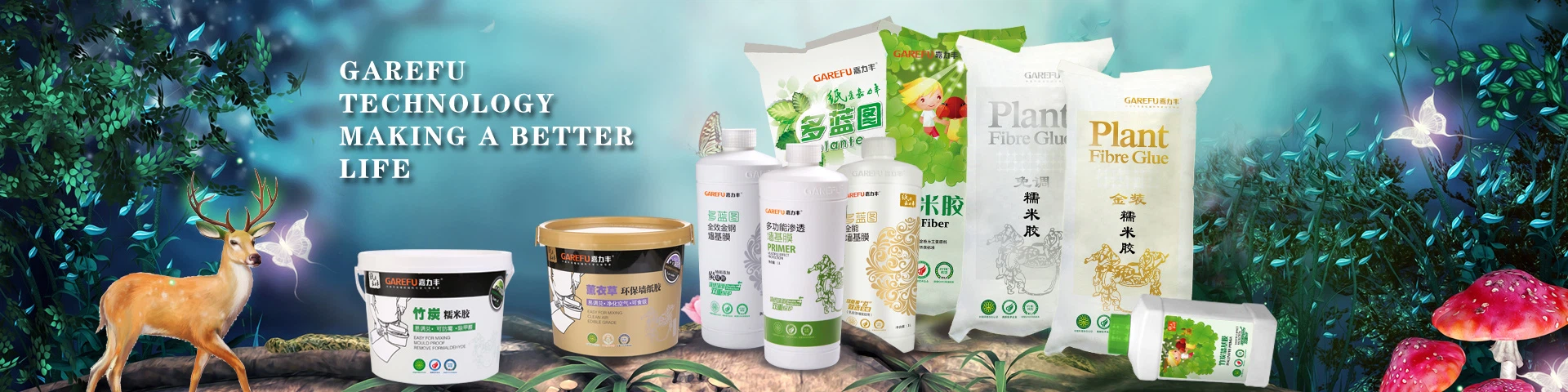
Tile sealer is a clear liquid that helps protect tiles from stains and water damage. It’s often used in kitchens, bathrooms, and other spaces subject to moisture.
Aside from its protective qualities, tile sealer offers aesthetic benefits as well. It can add depth and richness to the color palette of a space when used on porcelain or glass tiles with light hues.
Tile sealers are available in many textures and finishes, including matte, satin, gloss, and semi-gloss. The type of tile you have in your home will determine the best sealer for it.
There are several types of tiles that would benefit from having a coat of sealant applied, including:
- Ceramic/porcelain floors
- Stone counters
- Glass tables
Benefits of Ceramic Tile Sealer
Resistance Properties and Lifespan
When Ceramic Tile Sealer, it's crucial to consider its resistance properties and expected lifespan. A high-quality tile sealer should exhibit excellent resistance to chemicals, oils, and abrasion. This ensures that your surfaces are protected not only from everyday wear and tear but also from potential damage caused by harsh cleaning agents or accidental spills of chemicals.
Easier To Clean
The right tile sealant can also protect your shower against debris and dirt. This not only decreases how often you have to clean your shower, but also makes it easier to clean.
Keeps Mold Out
Sealing your tile will prevent mold from growing. Mold is one of the biggest problems your shower will face. Not only is it a health risk, but it also is unsightly.
Enhancing Durability and Appearance
Applying a quality tile sealer can substantially enhance their durability and longevity. The tile sealer acts as a shield, protecting the surface of the tiles from wear and tear caused by foot traffic, abrasions, and heavy use. This added layer of protection helps maintain the integrity of the slate tiles, ensuring that they can withstand years of use without deteriorating or becoming damaged.
-

Garefu ceramic tile glue is a new functional interface adhesion enhancer developed for indoor tile paving.
Add to Inquiry -
Garefu ceramic tile adhesive is a new functional interface adhesion enhancer developed for indoor tile paving.
Add to Inquiry -
Garefu Mildew & Moisture-Proof Ceramic Tile Sealer is a new-generation professional product developed with upgraded technology, using epoxy resin and eco-friendly materials as main substrates. It
Add to Inquiry -
Epoxy Colored Sand Ceramic Tile Sealer
Garefu Epoxy Colored Sand Ceramic Tile Sealer is a new two-component grouting product made with epoxy resin and eco-friendly materials as main bases. It features specially added aggregates to enhance
Add to Inquiry


Our Of Products
We offer professional interior painting services, we will select the best colors for the walls of your room and ensure a flawless application of paint for a beautiful and updated design of your home or office.
One-stop Solution
When you work with us, you can count on personalized, one-on-one service every step of the way. We earn your trust by being responsive, intuitive and honest. We earn your respect by delivering on time and on budget. We built our reputation on exceptional customer service. Discover the difference it makes.
Professional Team
We are a team ideas and creators。We're constantly evolving our products to reach even higher standards for design, quality, manufacturing, and environmental sustainability.
Custom Service
With state-of-the-art technology and high-end skills, we will customize the products in the ways you have thought of and even beyond that. The designs are tailor-made and can be altered as per your needs.

Choosing the right sealer is crucial for achieving the desired results when sealing your ceramic tile floor. Consider the following factors to select the appropriate sealer:
Type of sealer: There are various types of sealers available, including penetrating sealers, topical sealers, and enhancer sealers. Penetrating sealers are absorbed into the porous surface of the tile, providing long-lasting protection. Topical sealers create a protective layer on top of the tiles, offering enhanced resistance against stains and scratches. Enhancer sealers deepen the color and enhance the natural beauty of the tiles. Consider your specific needs and preferences to choose the right type of sealer.
Water-based or solvent-based: Sealers are available in both water-based and solvent-based formulas. Water-based sealers are eco-friendly, low in odor, and easy to apply. They are suitable for interior use and provide good protection against stains. Solvent-based sealers, on the other hand, offer a higher level of durability and are more resistant to chemicals and abrasions. They are generally recommended for exterior use or high-traffic areas.
Gloss level: Sealers come in different finishes, such as matte, semi-gloss, and high gloss. Consider the level of shine or sheen you desire for your ceramic tile floor. Matte finishes provide a natural and subtle look, while high gloss finishes offer a vibrant and reflective appearance.
Brand and quality: Choose a reputable brand known for manufacturing high-quality sealers. Reading online reviews and seeking recommendations from professionals or experienced DIYers can help you make an informed decision.
Application method: Consider the ease of application when selecting a sealer. Some sealers can be applied with a brush or roller, while others may require specialized tools or professional assistance. Choose a sealer that aligns with your skill level and available resources.
Most sealers dry fairly quickly and are usually touch-dry after 4 hours. This is true of both penetrating and topical sealers. Penetrating sealers usually fully cure in 24 hours with topical sealers generally taking up to 48 hours to fully dry.

Features Of Ceramic Tile Sealer
Ceramic Tile Sealer is not a surface coating and will not alter the natural look
All surfaces treated are harder and less slippery
For interior and exterior use
Will not Yellow
This sealer is safe for food areas
U.V. Transparent
Oil and water resistant
Suitable for Granite, Quarry Tile, Porcelain Tile, Grout, Ceramic Tile and Glazed Tile
When Is The Best Time To Seal Ceramic Tile?
For maximum protection, the best time to seal the tile and grout is when the floor is first installed. Make sure the grout has had time to dry out (typically about two to three days). The sooner you seal the tile floor, the better your chances will be of protecting the tile from getting soiled, stained, and damaged. Especially if there's additional construction in the home or building, prioritize sealing your floors.
Does tile sealer make tile shiny?
Non-penetrating sealers, on the other hand, not only offer protection but also add a shiny look to your tiles. Also called a 'surface coating', these sealers are great if you're looking for basic protection for places with moderate water and dirt exposure.

Before you begin the process of sealing your ceramic tile floor, it is crucial to properly prepare the tile surface to ensure optimal results. Follow these steps to ensure a clean and smooth surface:
Clean the tiles: Start by thoroughly cleaning the ceramic tiles. Remove any dirt, dust, or debris using a broom or vacuum cleaner. Pay attention to the grout lines as well, as they can accumulate dirt and stains. Use a mild detergent or a specialized tile cleaner to remove any stubborn stains or grime. Rinse the tiles well with clean water and allow them to dry completely.
Inspect for damage: Carefully inspect the tiles for any cracks, chips, or loose pieces. Replace any damaged tiles and repair any cracks or gaps in the grout. It is essential to have a smooth and intact surface before proceeding with the sealing process.
Remove existing sealant: If your ceramic tiles have been previously sealed, you will need to remove the old sealant before applying a new one. There are specific sealant removers available in the market that can effectively dissolve and remove the existing sealant. Follow the manufacturer's instructions for the best results.
Allow time for drying: After cleaning and removing any existing sealant, allow sufficient time for the tiles to dry completely. Moisture can interfere with the proper adherence of the new sealant, so ensure that the surface is completely dry before proceeding.
Protect surrounding areas: Depending on the type of sealant you will be using, it is essential to protect the surrounding areas from any potential spills or drips. Use masking tape and plastic sheets to cover adjacent surfaces, such as baseboards or walls, to prevent any accidental damage.
Most porcelain surfaces do well without a tile sealer. But if you notice a lot of stains or feel nervous about the amount of dirt on your floors, tile sealant can help keep grime at bay. Here's how to apply it:
First, you should clean the tile. Use a mild soap and water solution to remove any dirt you see. There are additional cleaning methods you can use, too, such as steam or foam. Afterward, search for a penetrating sealer to protect even the deepest pores in your tiles. Porcelain tiles have small holes in them to allow water to drain through, and these holes can trap dirt and debris. The best solution is a penetrating sealer that will fill those gaps.
Finally, apply the tile sealer according to the manufacturers instructions. Wait at least 30 minutes before stepping on the floor again. It will take at least one hour for the floor to become dry enough so that regular foot traffic is no longer hindered. In other words, you'll have to wait at least one hour for people to walk without slipping.
Our Factory
Currently, the total number of our distributors is more than 50,000, which remains at more than 50% annual growth of the turnover and top rank of both the annual output value and sales quantity among Chinese wallpaper industry.

FAQ
Q: Do ceramic tiles need to be sealed?
Q: How do you seal ceramic tile and grout?
Q: What is the best finish for ceramic tile?
Q: What happens if tile isn't sealed?
Q: Does tile sealer make tile shiny?
Q: How often should you reseal ceramic tile?
Q: Can you clear coat ceramic tile?
Q: How do you know when tile needs to be sealed?
Q: Do you seal ceramic tile in shower?
Q: Should i seal ceramic tile and grout?
Q: How do you seal ceramic at home?
Q: How long does ceramic tile sealer take to dry?
Q: How do you clean ceramic tile before sealing?
Q: Is it better to spray or brush grout sealer?
Q: Do you have to seal ceramic or porcelain tile?
Q: What happens if grout sealer dries on tile?
Q: Do you clean tile before sealing?
Q: Can you seal tile and grout at the same time?
Q: What are the 2 main types of tile sealers?
Q: Is tile sealer necessary?
We are professional ceramic tile sealer manufacturers and suppliers in China, specialized in the business of wallpaper adhesive. Please feel free to wholesale bulk ceramic tile sealer at competitive price from our factory.
