

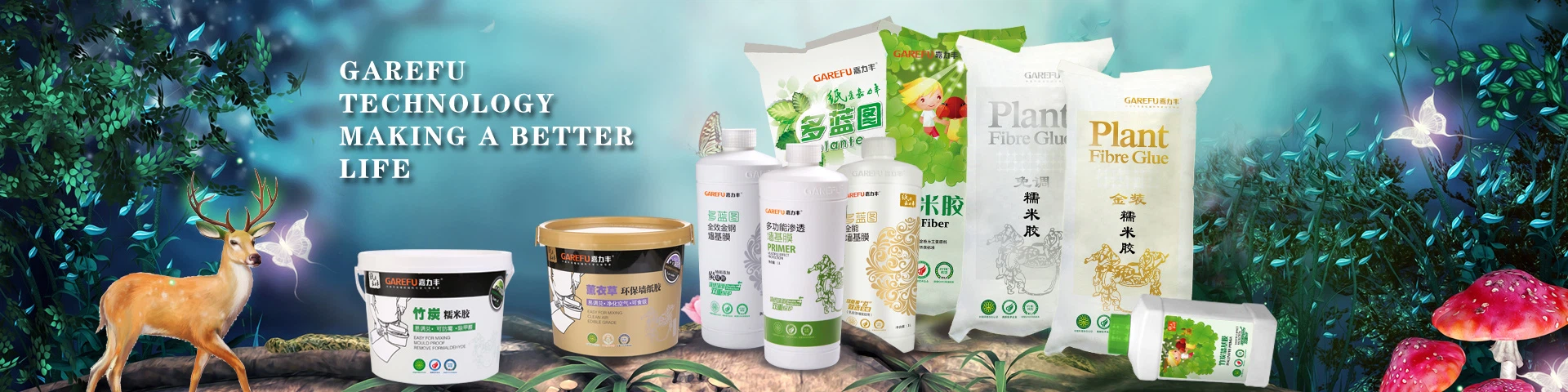
Wallpaper primer, sometimes called wallpaper sizing, is a liquid acrylic–based barrier that is applied under wallpaper to assist with installing the wallpaper and with removing the wallpaper at any later time.
There is a product that is simple to apply and that helps with both wallpaper application and removal: wallpaper primer. Wallpaper primer helps you hit that sweet spot where the wallpaper sticks well to the wall but not so firmly that removal will damage the surface.moving the wallpaper at any later time.
Benefits of Wallpaper Primer Paint
Enhances the aesthetics of wallpaper
Wallpaper primer paint serves as a base coat, which allows wallpapers to adhere better and look smoother. This results in a better finish to the wall's surface and an overall improved aesthetic value.
Improves durability
Primer paint promotes adhesion and reinforces the bond between the wall surface and the wallpaper. This improves the durability of the wallpaper and helps in preventing peeling or tearing.
Protects the walls
Wallpaper primer paint creates a protective barrier that helps the walls withstand any external damage or harsh chemical exposure. This results in improved longevity of the walls and makes them easier to maintain.
Conceals wall imperfections
Wall imperfections such as cracks, gaps, or holes can be hidden using wallpaper primer paint. This results in a smoother surface to apply wallpapers on, which in turn improves the look and feel of the walls.
-

Baby-friendly Odorless Antibacterial Wall Primer
GAREFU Baby-friendly Odorless Antibacterial Wall Primer is specially developed for baby rooms, featuring a milder and more environmentally-friendly formula. .
Add to Inquiry -
Top grade multiple effect protection wall primer, double protection to strengthen wall base, make you a safety sweet home..
Add to Inquiry -
GM-03 wall primer added with Natural activated bamboo charcoal factor, strong absorbability of formaldehyde, acetaldehyde, hydrogen sulfide, smoke and benzene, purify the air..
Add to Inquiry -
E47 wall primer added with Natural activated bamboo charcoal factor, strong absorbability of formaldehyde, acetaldehyde, hydrogen sulfide, smoke and benzene, purify the air..
Add to Inquiry -
A professional primer for wall base treatment, to solid and strengthen
Add to Inquiry -
A professional primer for wall base treatment, suitable for all kinds of metope
Add to Inquiry -
Penetration wall primer, super-permeability, excellent adhesion and water resistance.
Add to Inquiry -
Wallpaper Primer for Plaster Walls
It is the latest technology products developed by the internationally renowned German architectural experts and Garefu’s adhesive products engineers..
Add to Inquiry -
It is the latest technology products developed by the internationally renowned German architectural experts and Garefu’s adhesive products engineers..
Add to Inquiry -
It’s a high-tech primer product for wallpaper, and can solve all types of wall construction problems, with the character of water-resistant, moisture-proof, mould-proof..
Add to Inquiry -
Wisdom Garefu primer for various kinds of metope, specially added with Nano-silver,It’s a functional primer product for wallpaper, to protect you and your family healthy!.
Add to Inquiry -
Garefu crystal primer is one kind of new environmental wall surface treatment, its hardness is two times than normal primer, and can be up to shore hardness HA40..
Add to Inquiry




Why choose us?
Our Of Products
We offer professional interior painting services, we will select the best colors for the walls of your room and ensure a flawless application of paint for a beautiful and updated design of your home or office.
One-stop Solution
When you work with us, you can count on personalized, one-on-one service every step of the way. We earn your trust by being responsive, intuitive and honest. We earn your respect by delivering on time and on budget. We built our reputation on exceptional customer service. Discover the difference it makes.
Professional Team
We are a team ideas and creators。We're constantly evolving our products to reach even higher standards for design, quality, manufacturing, and environmental sustainability.
Custom Service
With state-of-the-art technology and high-end skills, we will customize the products in the ways you have thought of and even beyond that. The designs are tailor-made and can be altered as per your needs.

- Multi-Surface Latex Primer Sealer: Multi-Surface Latex Primer Sealer is a high-quality primer with great flow and leveling. It has strong adhesion and sealing properties while drying to the touch in less than an hour. This primer has a mildew-resistant coating, powerful stain blocking features, and is spatter-resistant.
- Waterborne Bonding Primer: Premium-quality, acrylic-urethane primer with unparalleled adhesion to the most challenging surfaces, including glossy tile, PVC, vinyl, plastic, glass, glazed block, glossy paint, pre-coated siding, fiberglass, and galvanized metals. With acrylic-based bonding primers, no solvents are needed. Just wash your painting tools in warm, soapy water immediately after use.
- High-Hiding All Purpose Primer: Our highest-performing 100% acrylic primer that delivers maximum hide and ensures uniform finish all surfaces. This is the primer of choice when a significant color change is required. This product has an excellent all-around stain blocker, fast drying, mildew resistant and is engineered with Color Technology.
- Latex Primer Sealer: This product is designed for a wide range of interior and exterior projects. It features excellent stain blocking and sealing, strong adhesion, fast dry to touch, mildew resistance, and is engineered with Color Technology.
To apply wallpaper primer, you'll need many of the same tools you'd use to apply wallpaper: sandpaper, a paint tray and liners, a paint roller with covers, a paintbrush, a putty knife, a screwdriver, and clean rags. You'll also need wallpaper primer and drywall compound or spackle.
Remove obstructions
Unscrew all wall plates, outlet covers, lights, and any other obstruction on the wall.
Sand bumps and fill gaps
Rub your hand on the wall to feel for bumps or use a straight edge. Lightly sand down bumps with fine grit sandpaper. Fill gaps with drywall compound or spackle.
Clean surface
Wipe down the walls with a damp cloth. The cloth should be wrung out as much as possible. Afterward, open windows or turn on a fan to dry the walls.
Cut in corners
Open the can and soak the end of the brush in the wallpaper primer. With the brush, cut in the corners with the wallpaper primer.
Roll on wallpaper primer
Pour wallpaper primer into a lined paint tray. Soak the roller cover in the product, then roll it out on the paint tray before applying to the wall. Apply one thin coat to the wall, making sure to meet up with all cut-in sections and not leaving any gaps.
Wait before wallpapering
Wallpaper primer dries to the touch in 30 minutes, but allow a full 24 hours of curing time before applying the wallpaper.
Do You Need to Use Wallpaper Primer?
The usage of wallpaper primer is an important step in the installation process that is often underestimated and unspecified. It is not possible to disregard the value of primer, which behaves as a barrier between your wall and the wallpaper itself. we will walk through the need and benefits of using wallpaper primer, how to apply it, and some misconceptions about this crucial wallpapering component.

01.Adhesion And Bonding
02.Surface Sealing
03.Smooth Imperfections
04.Easier Removal
05.Enhances Durability
06.Maximize Your Wallpaper Investment
Clean the walls
The first thing you’ll need to do is give the wallpaper a wipe with a damp cloth. ‘If there's dirt or dust in the wallpaper the paint won't stick properly and will peel off later,’ says interior designer and professional painter Tony Adams of DIY Geeks. He recommends using a diluted solution of TSP, particularly if the walls are greasy, but a mild detergent solution works well, too. Be sure to let the walls dry thoroughly.
Ensure an even surface
The cleaning process is a good opportunity to locate any uneven surfaces and make any necessary repairs.
Check for cracks, screw holes, seams and imperfections and use filler where needed. Where there have been repairs, sand them down smooth so that the area looks seamless when painted,’ says Ruth.
If wallpaper is peeling or coming away at the edges, use adhesive to seal them down. Don’t be tempted to just paint over problem areas – it’ll only result in problems further down the line and potentially costly repairs.
Cover the seams
If the wallpaper has overlapping seams, peel them off with a putty knife, then fill the gaps with a joint compound. Allow it to dry, then sand again to create a smooth surface,’ says Jan Walter, founder of Gocolourize .
Use a primer
Next, apply a primer to the walls. This ensures a smooth, white finish which is much easier to paint on to and results in a better quality finish. An oil-based primer is the best way to go. ‘A water-based one will soak into the wallpaper and weaken the glue,’ says Tony. This can result in the paper bubbling or coming away from the wall, neither of which is ideal.
If you’re hiding a particularly colored or patterned print, consider painting over the primer again with a white matte emulsion.
Apply at least two coats of paint
When the primer is completely dry, apply the top coat. The process is the same as when painting a wall; start in the corner and paint in horizontal bands from top to bottom.
When it comes to the must-have tools, a firm favorite amongst consumers is to use a roller for painting walls and a 2 in brush for cutting in around the edges.
What kind of paint do you use to paint over wallpaper?
If you’ve covered your wallpaper with an oil-based primer, you can use any type of paint over the top – good quality paints are preferable. Never use a water-based primer as it can cause the wallpaper to bubble or become loose over time.
Applying Wallpaper Primer
To apply wallpaper primer, you'll need many of the same tools you'd use to apply wallpaper: sandpaper, a paint tray and liners, a paint roller with covers, a paintbrush, a putty knife, a screwdriver, and clean rags. You'll also need wallpaper primer and drywall compound or spackle.

Remove Obstructions
Unscrew all wall plates, outlet covers, lights, and any other obstruction on the wall.

Sand Bumps and Fill Gaps
Rub your hand on the wall to feel for bumps or use a straight edge. Lightly sand down bumps with fine grit sandpaper. Fill gaps with drywall compound or spackle.

Clean Surface
Wipe down the walls with a damp cloth. The cloth should be wrung out as much as possible. Afterward, open windows or turn on a fan to dry the walls.

Cut in Corners
Open the can and soak the end of the brush in the wallpaper primer. With the brush, cut in the corners with the wallpaper primer.

Roll on Wallpaper Primer
Pour wallpaper primer into a lined paint tray. Soak the roller cover in the product, then roll it out on the paint tray before applying to the wall. Apply one thin coat to the wall, making sure to meet up with all cut-in sections and not leaving any gaps.

Wait Before Wallpapering
Wallpaper primer dries to the touch in 30 minutes, but allow a full 24 hours of curing time before applying the wallpaper.
How to choose the right primer for your surface
When choosing wallcovering primers, you'll first need to understand their properties. Some primers work best in specific situations and for particular surfaces. These are the most common surfaces for wallpaper projects:
Bare Drywall
Bare drywall has a lot of porosity, meaning you need a reliable wallcovering primer to even the porosity of the surface before hanging your wallpaper.
Plaster Walls
Are excellent for priming most modern plaster walls. However, due to the composition and properties of older plaster walls, we recommend performing a test application first.
Painted Walls
When it comes to painted walls, there’s no better option than Wallpaper Primer PaintThese two primers are made to improve the adherence of your wallpaper while protecting the painted layers and walls.
When You Need To Prime Your Walls?
Primer is always a good idea, but you should follow the directions on the primer specified on the wallpaper roll. Even if your wall has a layer of latex paint on it, you need primer. Additionally, you will need primer if your wallpaper has pre-adhesive on it because the latex will soften under the paste. The end result is that the surface is not able to hold the wallpaper properly because it lacks a hard surface.
Primer prevents latex paints from softening under the paste. When the paste is applied, it sticks only to the primer, not the paint (or in the worst-case scenario, the sheetrock behind the paint). If you ever apply wallpaper onto a latex paint, then you could end up tearing the sheetrock when you have to remove the paper.
Pre-coats are not the same thing as primer. They are primarily desired for a different kind of surface, such as glass or Formica – not painted walls. If your wall has a common latex paint, then you will likely need a primer.

What Wallpaper Primer Does

Wallpaper primer fills pores in absorbent surfaces, creating a smoother surface for sliding the wallpaper into position. Flat, matte, or uncoated walls—and even eggshell gloss paints—can create a drag that makes it harder to slide wallpaper and position it. Wallpaper primer allows more of the wallpaper glue to do its job, rather than being immediately absorbed by the wall's pores.

By providing a shield between the wallpaper glue and the wall, wallpaper primer makes removal easier. Wallpaper glue tightly bonds with its substrate. The more pores available, the greater the bond. Wallpaper primer fills those pores. Wallpaper primer will not make wallpaper removal completely effortless nor will it ensure that the lower surface remains in pristine condition. But wallpaper primer does make a difference between taking down wallpaper or taking down wallpaper along with lots of paper facing and gypsum core.
How to Know If You Need Wallpaper Primer
Water absorption is one of the key factors in determining whether you should use wallpaper primer. So, it helps to test out the wall with a small amount of water to gauge the rate of absorption. With clean, clear water in a bowl, flick a few drops of water onto the wall and rub in some of the drops. If the wall turns dark, that means that the surface is quickly absorbing water and likely requires wallpaper primer.
Flat or Matte Paint Gloss: Flat or matte paints always need wallpaper primer. Glossy and semi-gloss paints in good condition do not absorb moisture well, so they may not need wallpaper primer.
Paint glosses in the mid-range may or may not need primer. Satin and eggshell glosses have enough sheen to shed some water for a limited time. With these glosses, it's safest to use wallpaper primer.
Old or Poor Condition Paint: Even glossy surfaces that are older can benefit from the application of wallpaper primer because they may have lost some of their gloss. Over time, paint breaks down, especially when subjected to UV rays, even indoors.
Uncoated Walls: Use wallpaper primer on any bare, uncoated surface, especially unprimed, unpainted drywall.
Primed Walls: Walls that have only paint primer should be primed with wallpaper primer. Paint primer is flat, so it will readily soak up the wallpaper glue.
Our Factory
Currently, the total number of our distributors is more than 50,000, which remains at more than 50% annual growth of the turnover and top rank of both the annual output value and sales quantity among Chinese wallpaper industry.

FAQ
Q: Do I need to prime wallpaper before painting?
Q: What happens if you don't prime before wallpaper?
Q: Do you really need wallpaper primer?
Q: Can I use regular primer for wallpaper?
Q: How do you prime painted walls for wallpaper?
Q: Does primer have to be perfect?
Q: Should I prime over old exterior paint?
Q: Does drywall need to be primed?
Q: Can I paint directly over wallpaper?
Q: How do professionals remove wallpaper?
Q: Is water based primer good for wallpaper?
Q: Can I use regular primer for wallpaper?
Q: Is primer just flat paint?
Q: Is paint and primer in one good?
Q: How does vinegar remove old wallpaper?
Q: Why does wallpaper keep lifting?
Q: What is a wallpaper primer?
Q: Do you soak wallpaper before hanging?
Q: What happens if you just paint with primer?
Q: What prep is needed for wallpaper?
We are professional wallpaper primer paint manufacturers and suppliers in China, specialized in the business of wallpaper adhesive. Please feel free to wholesale bulk wallpaper primer paint at competitive price from our factory.
