

Fabric wallpaper is a type of wallpaper made from fabric material instead of the traditional paper material. It usually has a textured surface that adds depth and dimension to walls, and it can be made from a wide range of materials such as silk, cotton, linen, velvet, and suede. Fabric wallpaper is a luxurious and elegant option for adding texture and warmth to a room, and it can also provide sound dampening and insulation properties. Installing fabric wallpaper can be more challenging than traditional wallpaper because of its heavier weight and the need for proper adhesive, but it can create a stunning and unique look in any space.
Benefits of Fabric Wallpaper
Durable
Fabric wallpaper is more durable than traditional wallpaper as it is made of stronger materials and can withstand various kinds of wear and tear.
Versatile
Fabric wallpaper is versatile as it can be used for different décor styles and can be matched with different patterns, colours, and textures.
Aesthetically pleasing
Fabric wallpaper has a rich and luxurious look, giving any room an elegant and sophisticated feel.
Easy to install
Fabric wallpaper is easy to install and does not require as much preparation or skill as traditional wallpaper.
-

Neo-Chinese style, elegant and luxury, Perfectly combated Chinese style and modern style, creating a new Chinese style household environment not only has Chinese style lasting appeal but also modern
Add to Inquiry -
Neo-Chinese style, elegant and luxury, Perfectly combated Chinese style and modern style, creating a new Chinese style household environment not only has Chinese style lasting appeal but also modern
Add to Inquiry -
Fabric Wall Covering Wallpaper
Adopted high precision weaving craft to yarn weaving, new style floral design and with excellent full weaving, achieve a wonderful 3D effect..
Add to Inquiry -
Original design pattern, main flora plus side flora and plain color, rich color series, precise color and with pattern match, various choice for customers’ optional..
Add to Inquiry


Why choose us?
Our Of Products
We offer professional interior painting services, we will select the best colors for the walls of your room and ensure a flawless application of paint for a beautiful and updated design of your home or office.
One-stop Solution
When you work with us, you can count on personalized, one-on-one service every step of the way. We earn your trust by being responsive, intuitive and honest. We earn your respect by delivering on time and on budget. We built our reputation on exceptional customer service. Discover the difference it makes.
Professional Team
We are a team ideas and creators。We're constantly evolving our products to reach even higher standards for design, quality, manufacturing, and environmental sustainability.
Custom Service
With state-of-the-art technology and high-end skills, we will customize the products in the ways you have thought of and even beyond that. The designs are tailor-made and can be altered as per your needs.
- Different types of wallpaper
Different types of wallpaper are available in the market for your wallpaper project. Each type gives a different kind of finish surface. Different materials are used to make printed wallpaper, including vinyl, paper, fabric, foil, natural bamboo, etc. So here is an overview of different types of wallpaper so you don't get confused when choosing one for your home.
- Vinyl wallpaper
Vinyl wallpaper is a common type of wall covering used today. It is made of vinyl material, which is a type of plastic. It is well known for its durability, moisture-resistant, and easy maintenance features. Vinyl wallpaper's special and unique features suit high-traffic areas like kitchens and bathrooms. It is produced in a wide range of styles, colors, and designs, including patterns and textured finishes making it one of the most versatile wallpaper types. So you can use solid vinyl wallpaper excellently in any part of the house, whether you want a sleek, classic, modern, or traditional look. Its moisture-resistant feature makes it an excellent choice for bathrooms or other spaces in the house that may experience high levels of moisture. Besides, vinyl wallpaper can withstand water, humidity, and moisture exposure without getting damaged or discolored. Another exciting thing about Vinyl wallpaper is that you can easily clean it with a damp cloth or sponge, and all dirt, debris, and dust will be removed. Moreover, asides from that, vinyl wallpaper is less expensive; it also comes prepasted such that you do not need adhesives when it's time to stick wallpaper because it comes with adhesives already applied to the back.
- Foil wallpaper
Foil Wallpaper is also known as metallic wallpaper, and that is because it has a metallic surface. Foil paper has impressive features that make it unique for your wall coverings. Moreover, metallic wallpaper is designed to create a luxurious and classy look in interior space. It is shiny and reflective because it is metallic and creates an inspiring visual impact in a room. Like vinyl wallpaper, foil wallpaper can also be used in different styles in your space and comes in a wide range of designs, colors, and patterns. Besides, it can also be in the form of patterns, damask, designs, floral motifs, and others. However, foil wallpaper needs careful installation so it doesn't get damaged because of its delicate surface.
- Textured wallpaper
If you love dimensions and visual interests on your wall that give a depth and character vibe, then textured wallpaper is your best option! Textured wallpaper copies design materials like bricks, fabric, or stone. However, to Install textured wallpaper, you may need more care and attention than traditional flat wallpaper. For excellent results, you must ensure proper surface preparation, including filling holes and ensuring a smooth base. However, textured wallpaper is generally durable and easy to maintain, often requiring occasional light dusting or gentle spot cleaning. Meanwhile, some of the wide range of wallpaper include faux finishes, natural fibers, embossed wallpaper, and many more.
- Flock wallpaper
Flock wallpaper is mainly loved for its soft texture, made by applying tiny fibers or particles to a paper or vinyl base. Flock wallpaper gives your wall this tactile and luxurious feel, mostly with patterns like floral designs. Flock wallpaper texture is made by sticking fine fibers or particles to the wallpaper surface, typically using an adhesive. One exciting thing about flock wallpaper is that it provides sound and heat insulation. They add a touch of elegance, texture, and sophistication to interior spaces.
- Peel and stick wallpaper
Peel and stick wallpaper, also known as stick wallpaper of all the wallpaper types, has the easiest installation and removal. It is mostly known as self-adhesive or removable wallpaper, making stick wallpaper easily peel off. Peel and Stick Wallpaper is popular for those who want a temporary or easily changeable wallpaper option. Looking for the wallpaper you can easily remove? Then go on! Peel-and-stick wallpaper is your best choice. Moreover, stick wallpaper does not require traditional wallpaper paste or adhesive for installation and can be used in various settings, including homes, apartments, offices, and rental spaces
- Non-woven wallpaper
Non-woven wallpaper is made from a blend of natural and synthetic fibers. Non-woven Wallpaper is easy to install and also tear-resistant. It is often prepasted, so you can easily stick it to the wall by activating the Wallpaper paste with water. Non-woven wallpaper has been accepted by many people recently because of its durability and versatility. It is resistant to mold and mold growth because it allows air to pass through; this unique feature makes Non-woven wallpaper suitable for a humid environment. If you are also looking for an eco-friendly wallpaper type, you have it! Non-woven wallpaper can also be made from recycled materials, which makes it sustainable.

Feature walls
Fabric wallpaper is often employed to create stunning feature walls that serve as focal points in a room. The richness of the fabric combined with intriguing patterns can instantly transform the ambiance.
Luxurious bedrooms
Bedrooms, being spaces associated with comfort and relaxation, benefit from the luxurious aesthetics and tactile sensation of fabric wallpaper. It adds a layer of opulence that complements the intimate nature of the space.
Elegant living spaces
Fabric wallpaper can be used in living areas to infuse elegance and sophistication. Whether incorporated as an accent or covering entire walls, it contributes to a refined atmosphere.
Upscale dining areas
Dining areas, especially in upscale residences or fine dining establishments, can benefit from the sumptuous appeal of fabric wallpaper. It creates a visually appealing backdrop for memorable dining experiences.
The wallpaper manufacturing process
There are typically three main steps in the manufacturing process, one optional one in prepasting, and the final one which is packaging it up. Each step is outlined below.
Making the paper
The process begins with the trees used to make the paper. A tree is chosen, then the bark is stripped off, and the main wood of the tree is ground down into a semi-liquid type mixture. This mixture is then turned into a groundwood sheet, which is one backing option for wallpaper.There is an alternative method to creating paper, which involves putting the mixture through a pulp mill, and adding different chemicals. This will provide you with wood pulp sheets to use as backing.Once the backing sheet of paper is created, it is sold to the wallpaper printer where they’ll cut it to size.
Coating
The next step involves coating the paper to prepare it for printing. This is relatively straightforward, and ground wood sheets are normally coated in vinyl.Wood pulp sheets are most likely to be coated with latex. Regardless of the coating type, it will be coloured accordingly, depending on the wallpaper design.
Printing the pattern
This step will differ depending on the printing method in use. Modern wallpaper printers will normally choose between one of the four options below.The wallpaper pattern is fixed onto metal rollers using slightly elevated rubber material. The ink is then applied, and the rubber pattern will press onto the paper as it is passed through.Silk Screen Printing: A hand-printing method that involves creating stencils for each pattern using a silk screen. The screen is then set on top of the sheet of paper, and ink is applied. The stencil keeps getting moved along the sheet until it’s completed.Gravure Printing: The wallpaper pattern is engraved into copper cylinders, which the paper passes through. The engraved cylinders get pushed onto the paper, depositing the ink. Once completed, the paper is dried and passed through the next roller with a different colour.Rotary Printing: Stencils are wrapped around rotary cylinders, and the process is very similar to Gravure Printing in that the paper passes through and ink is applied through the stencilled pattern. However, the look is similar to silk screening, but is completed far quicker.
Dusting interior wallpaper
dust settles on wallpaper just as it does on furniture. a regular mild dusting of wallpaper should be done with a duster or a soft microfibre cloth every month to ensure that it doesn’t look faded and dirty. these materials help brush away light dirt and dust without scratching the paper or pattern.
Spot cleaning of wallpaper for walls with soapy water
over time, your wallpaper may get dirty due to splashes, hand marks, or pencil and crayon marks if you have young children. doing spot cleaning, every few months, will help rejuvenate your wallpaper.


How long does fabric wallpaper last?
The longevity of a fabric wallpaper treatment largely depends on the type and color of fabric and the environment in which it hangs. Less absorbent fabrics like polyester, particular in darker colors, are less susceptible to everyday stains and yellow discoloration than more absorbent fabrics like cotton, especially in lighter colors. And since water dissolves liquid starch, fabric wallpaper tends to hold up best in dry environments like bedrooms or living rooms.
To prolong the looks and life of fabric wallpaper, vacuum it regularly with an upholstery brush attachment. Treat stains promptly: If fabric gets splashed by plain water, blast it with a hairdryer; for other stains, spray with a 50-50 solution of white vinegar and water, then sponge down before the stain sets. If the fabric wallpaper gets too many stains to lift by hand, remove the panels, wash in cold water, and dry on the lowest heat setting, then simply re-apply.
Tips to Leverage Fabric Wallpaper
1. Pick the right texture: When choosing fabric wallpaper, always choose the right texture that complements the room's décor. For instance, if the room has a few structured items like furniture, rugs, and décor, plain fabric wallpaper is the best match for it.
2. Choose a color scheme: Choosing the right color scheme when using fabric wallpaper is important because it can have a significant impact on the mood of the room. Bold colors can be great for creating focus and excitement, while warmer shades can create a relaxed and warm atmosphere.
3. Use it wisely: Use fabric wallpaper strategically by not covering all walls with it. Instead, use it as an accent wall to create depth, interest, and visual appeal. By using fabric wallpaper correctly, you can create a unique and stunning room that everyone will love.


Type of fabric wallpaper
Visual comfort, soft touch, a little sound insulation, high ventilation, good affinity
A. Yarn wall fabric: the pattern and color are formed by different styles of yarn or thread;
B. Weaving wall fabric: plain weave, jacquard fabric and non-woven fabric;
C. Flocking wall fabric: the short fiber is implanted into the base paper to produce an excellent flannel effect;
D. Functional wall fabric: Treating textiles and cotton with nanotechnology and nano materials, and weaving cotton into needle-punched cotton as the bottom layer of the wall fabric, so that the surface layer of the cloth and the underlying needle-punched cotton are, sound absorption, sound insulation, antibacterial, anti-mildew, waterproof, oil-proof, anti-fouling, dust-proof and anti-static;
Our Factory
Currently, the total number of our distributors is more than 50,000, which remains at more than 50% annual growth of the turnover and top rank of both the annual output value and sales quantity among Chinese wallpaper industry.

FAQ
Q: What is a fabric wallpaper?
Q: What is fabric stick wallpaper?
Q: Can any fabric be used as wallpaper?
Q: What is textile wallpaper?
Q: How do you stick fabric wallpaper?
Q: Is fabric wallpaper durable?
Q: Is fabric wallpaper removable?
Q: What is the most durable wallpaper?
Q: What is the best wallpaper material for walls?
Q: What is the easiest wallpaper to hang?
Q: Is fabric wallpaper good?
Q: Is fabric wallpaper durable?
Q: Is non-woven wallpaper peel and stick?
Q: What are the benefits of non-woven wallpaper?
Q: What is washable wallpaper?
Q: What is non-woven fabric wallpaper?
Q: Is non-woven wallpaper easy to remove?
Q: Can non-woven wallpaper be used in bathroom?
Q: Can you wash fabric wallpaper?
Q: Can you use spray starch for fabric wallpaper?
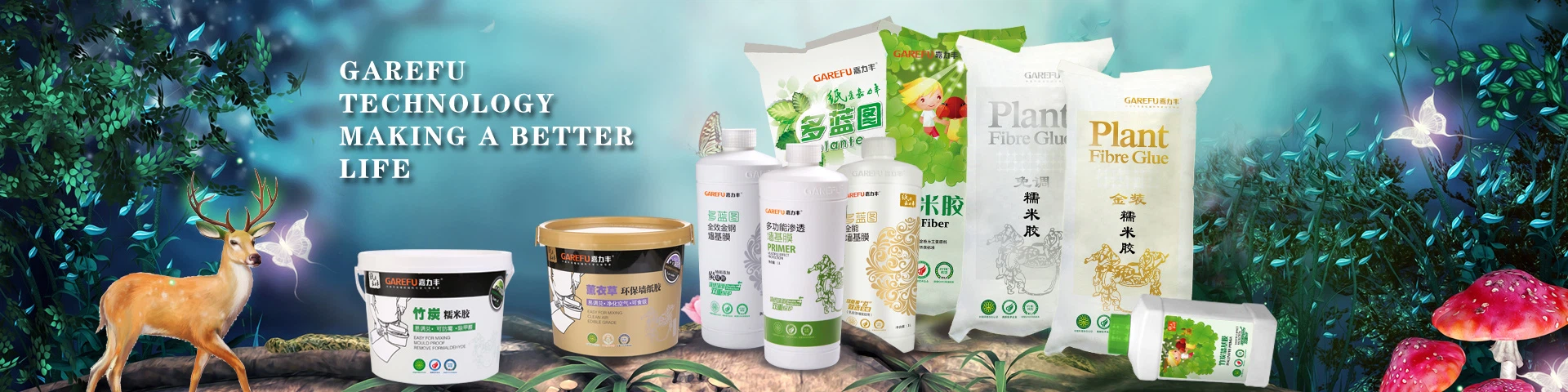
We are professional fabric wallpaper manufacturers and suppliers in China, specialized in the business of wallpaper adhesive. Please feel free to wholesale bulk fabric wallpaper at competitive price from our factory.
