

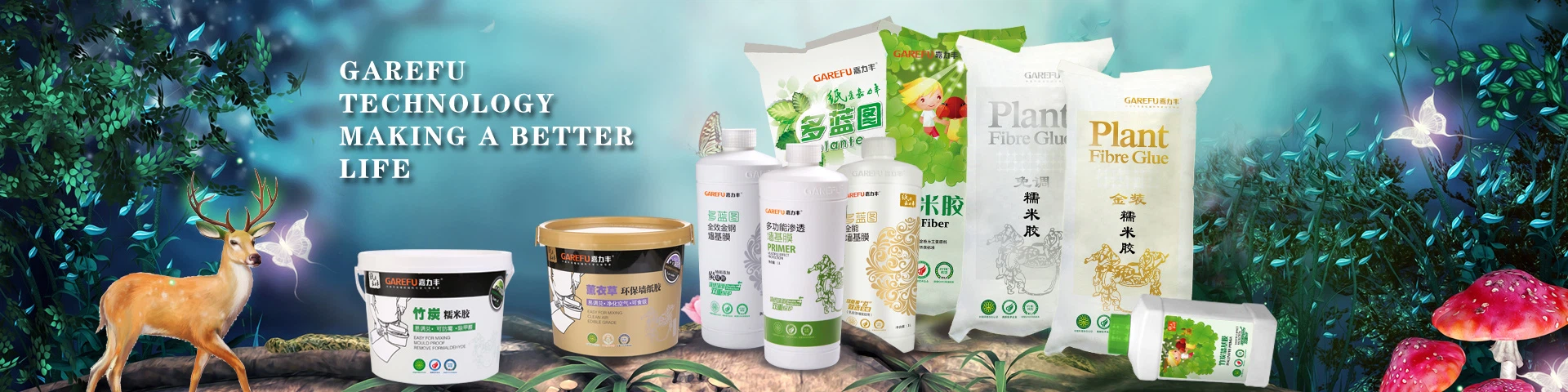
- Integrated of research, production and marketing;
- Serving distributors over 50,000 in and out of China;
- Turnover remains at more than 60% annual growth;
- Annual output value and sales quantity ranked top in the industry;
- Sales’ network covers the whole China, and extends to Europe, America, Middle East and Southeast Asia and the other parts of the world;
- Have the perfect QC system, R&D team, mature logistics team and enough warehouse to ensure on-time delivery and shipment;
- ISO 9001, ISO14001, SVHC certificates approved;
What is Wallpaper Accessories
Wallpapers with modern designs are made from a variety of materials. First of all, the carrier material can be wool/non-woven or paper-based material.
Many design wallpapers also have special structures and embossing, and come in a variety of different gram weights. Dedicated wallpaper scissors make it easy to cut any type of wallpaper material. Wallpaper with a paper carrier layer is first treated with adhesive or paste, then attached to the wall, where it needs to be dried for several hours. Even if they're still wet, you can cut them neatly with quality wallpaper scissors without unsightly tears or frayed edges.
-

Garefu rice glue MAX is an environmentally friendly glutinous rice glue newly developed to improve construction performance. The product has the characteristics of convenient blending, strong and
Add to Inquiry -
Garefu Wall Cloth Glue is a new type of environmentally friendly high-performance product produced by using edible starch as the main raw material, aiming at the characteristics of thicker and
Add to Inquiry -
Methyl Cellulose Wallpaper Glue Powder
High viscosity methyl cellulose wallpaper glue powder,excellent water soluble glue powder adhesives. A special kind adhesive for all materials wallpaper pasting.
Add to Inquiry -
Cellulose paste for wallpaper with excellent performance. Without irritating odour up to a super-high viscosity 200000MPa.s, Wide application for many places.
Add to Inquiry -
Popular methyl cellulose glue powder for wallpaper pasting. Efficient water soluble and antibiosis, environment-protection. It is applicable to all types of wallpaper.
Add to Inquiry -
Cellulose adhesive powder is a powdered adhesive, it’s suitable for hanging all types of wallcoverings.
Add to Inquiry -
Strong Viscosity Methyl Cellulose for Wallpapers Paste. Product's manufacture is mainly based on national requirements of environment protection
Add to Inquiry -
It is a type of white powder made of cellulose as main material. Due to its stability and large-area pasting performance, it is one of our most popular products which is also non-formaldehyde,
Add to Inquiry -
Adapting natural cellulose, no abnormal and irritating odor. High viscosity, stable performance, easy to use. Efficient water soluble and antibiosis, environment protection.
Add to Inquiry -
High Viscosity Universal Wallpaper Glue Powder
It's a type of nature adhesive for wallpaper pasting. High viscosity universal wallpaper glue powder. It has appearance of white flaky powder made of modified potato starch, supplemented by small
Add to Inquiry -
Its appearance of white flaky powder made of modified potato starch. Environment-friendly with no formaldehyde and other harmful substances.. Easy to carry, good for DIY.
Add to Inquiry -
Potato Starch Wallpaper Adhesive Powder
Potato Starch Wallpaper Adhesive Powder for wallpaper pasting.. It can be mixed with room temperature water to form the glue. It could be applicable to all types of wallpaper, lightweight wallpaper
Add to Inquiry


Product Advantages
Long-lasting durability
Paint often needs retouching or repainting every two to five years depending on children, pets, and traffic. Using wallpaper for a room instead of paint can provide 10 to 15 years of durability.
Cost-effectiveness
Although the upfront cost of wallpaper vs. paint is higher, its durability will save you money over time.
Visual appeal
Wallpaper provides a level of creativity you will not find with paint unless you hire someone to paint designs on your wall (higher cost). New styles of wallpaper today offer the look of faux suede, cork, velvet, vinyl, embossed finishes, textiles, and more. Using wallpaper for a room provides a level of versatility you just will not find with paint.
Damaged walls
Wallpaper can make even poor condition walls look good. If your walls have defects that you do not want to fix, a good quality, thick wallpaper can make them look spectacular.
Our Of Products
We offer professional interior painting services, we will select the best colors for the walls of your room and ensure a flawless application of paint for a beautiful and updated design of your home or office.
One-stop Solution
When you work with us, you can count on personalized, one-on-one service every step of the way. We earn your trust by being responsive, intuitive and honest. We earn your respect by delivering on time and on budget. We built our reputation on exceptional customer service. Discover the difference it makes.
Professional Team
We are a team ideas and creators。We're constantly evolving our products to reach even higher standards for design, quality, manufacturing, and environmental sustainability.
Custom Service
With state-of-the-art technology and high-end skills, we will customize the products in the ways you have thought of and even beyond that. The designs are tailor-made and can be altered as per your needs.
Liner Wallpaper
Also known as lining paper, this type of wallpaper is made from paper or fiberglass. It is effective for hiding wall defects and minimizing repairs, and it can be a base for more delicate wallpaper types. It can be used alone, and maybe even painted. Moreover, it is easy to apply and remove.
Printed Wallpaper
This type is commonly used and available in a wide variety of colors and patterns. The digitally-printed wallpaper is normally cheaper than the hand-printed, and it can be mass-produced, but it could be torn easily. Also, the printing ink is water-based, so it’d better not be used in kitchens and bathrooms.
Vinyl Wallpaper
This type of wallpaper is composed of printed paper coated with layered vinyl. It is the most commonly used type of wallpaper, currently, because of its high durability. The thicker the vinyl coating layer is, the more durable the wallpaper will be. Vinyl paper can be used in kitchens and bathrooms, as it can of withstanding steam. It is can also be washed, making for easy maintenance.
Foil Wallpaper
A polished metal foil is used as a base for this type to give the interior space a shiny metallic effect. Due to its high reflectivity, foil wallpaper highlights wall defects. So, the base wall needs to be repaired, treated, or covered with lining paper first. The lining and adhering process need to be neat enough, not to ruin the foil’s reflectivity and shine.


Vinyl: This is the most common type of wallpaper because it is easy to hang and remove, is the best option for damp areas, and often comes pre-pasted.
Non-Woven: This type of wallpaper is not vinyl coated and is resistant to moisture and water, making it perfect for the bathroom. It’s also super easy to install with its adhesive that pastes to the wall.
Paper: Colors show up beautifully on paper wallpaper, but beware of scratching and tearing as this material is the most delicate.
Fabric: Considered the highest quality wallpaper, fabric wallpaper is difficult to hang. It usually doesn't come pre-pasted. Be extra careful about smoothing out air bubbles when applying, so the fabric doesn’t wrinkle.
Grass Cloth: Made from natural fibers including grass cloth, hemp, jute, reed, or arrowroot, these wallpapers don't require matching, which makes them easier to hang.
When searching for the perfect wallpaper, there are a few things to consider. Application type and material are two important factors to keep in mind.
Application Type
There are three main types of application to choose from – non-pasted, pre-pasted, and self-adhesive.
Non-Pasted
This wallpaper does not come prepared with adhesive so you’ll need to use paste to apply it to your wall. Though the pasting process can be messy and particular, it tends to produce the most long-lasting results.
Pre-Pasted
Just add water and this wallpaper is ready for application. No messy paste required. Though quick and easy, this application style unfortunately doesn't last as long as the others.
Self-Adhesive
Also called peel and stick wallpaper, self-adhesive wallpaper acts like a sticker; just peel off the backing and apply it to the wall. If you redecorate often, it's easy to remove and replace.

It's important to ensure your walls are clean, dry and even before starting to wallpaper. This way you'll get the sleek finished look you want. Whatever the condition of the walls in your room, our top tips below should cover it:
1. Remove any old wallcovering
If you're replacing a paste the wall wallcovering, this should peel off the wall dry in large strips, thanks to the non woven backing. Removal of a standard wallpaper will take a little longer and you’ll need to first soak with warm water, score and then scrape off. It may be quicker to use a wallpaper stripper. If you're struggling, or you don't know what type of wallpaper you're removing, water or a wallpaper steamer will help.
2. Wallpapering over wallpaper
We would never recommend wallpapering over old wallpaper, especially if your existing wallpaper is vinyl. However, if you want to try this over other types of wallpaper as a quick fix, make sure the existing wallpaper is smooth, untextured and fully adhered to the wall. Don't forget to check that you can’t see the old wallpaper through the new one first!
3. Remove loose paint or old, flaky plaster
Any loose paint will need removing prior to wallpapering and scrape off powdery, flaky surfaces to ensure your wall is completely smooth.
4. Wallpapering painted walls
You can wallpaper over painted walls, but don't forget to roughen painted surfaces first with sandpaper and size the wall to help with wallpaper adhesion. Sizing involves covering the walls with a thin layer of diluted wallpaper paste (approximately 50% water to 50% paste) and allowing it to dry.
5. Fill any imperfections
If you have any damages, small holes, cracks or marks on the wall fill these imperfections with wall filler and smooth over with sandpaper.
6. Clean your walls
Once you've removed any wallcoverings and filled any imperfections, it’s a good idea to give your wall a dust down and vacuum the room to ensure all dust and dirt particles are removed. You can clean your walls down with sugar soap to remove grease and dirt. Sugar soap is a mild detergent used for decorating as it doesn’t leave any residue behind that would hamper adhesion. It gets its name from its appearance in powdered form, but you can also get a liquid version. Simply follow the instructions on the packaging to use. If your walls have mould or mildew, sizing your walls (see point 4) will also help with this.
7. Wallpapering newly plastered walls
If your walls are newly plastered, allow them to dry out completely before wallpapering. Sizing (see point 4) newly plastered walls can really help reduce the absorbency the plaster, then it won't soak in all your paste straight away.
8. Lining uneven walls
For an optimum result you can line your walls with lining paper before hanging your wallcovering. The lining paper should be hung horizontally to ensure the joins of the lining paper won't coincide with the seams of the wallpaper. This is known as cross-lining.
9. Paint your woodwork first
We'd always recommend painting your woodwork; skirting boards, door frames etc. first before hanging your new wallpaper. This way you won't get any paint splashes on the paper.
Allow the paint to dry fully according to the manufacturer's instructions, before starting to paper.
Currently, the total number of our distributors is more than 50,000, which remains at more than 50% annual growth of the turnover and top rank of both the annual output value and sales quantity among Chinese wallpaper industry.

FAQ
Q: What supplies do i need for wallpapering?
Q: What can you attach wallpaper to?
Wallpaper will adhere to drywall, new and old plaster. You can find wallpaper for concrete walls, masonry, and paneled walls. You can even wallpaper over tile and other slick, nonporous surfaces, such as concrete block, or synthetic laminate paneling.
Q: Do you start in the middle of the wall when wallpapering?
Q: Do you always need lining paper before wallpapering?
Q: What is the easiest wallpaper to hang?
Q: What is the best wallpaper paste to use?
Q: Do you have to glue wallpaper?
Q: How do you cut wallpaper straight?
Q: How do you prepare wallpaper for hanging?
Remove any old wallcovering. ...
Wallpapering over wallpaper. ...
Remove loose paint or old, flaky plaster. ...
Wallpapering painted walls. ...
Fill any imperfections. ...
Clean your walls. ...
Wallpapering newly plastered walls. ...
Lining uneven walls.
Q: Can you paste wallpaper with a roller?
Q: How do you attach something to wallpaper?
Q: What tape sticks to wallpaper?
Q: Do you start wallpaper at the top or bottom?
Q: How do you fill gaps between wallpaper?
Q: How long after lining paper can i wallpaper?
Q: Is it ok to paste the wall instead of the wallpaper?
Q: Why do you start in the middle when wallpapering?
Q: Does wallpaper stretch when pasted?
Q: What time of year is best to wallpaper?
Q: Do you paint first or wallpaper first?
We are professional wallpaper accessories manufacturers and suppliers in China, specialized in the business of wallpaper adhesive. Please feel free to wholesale bulk wallpaper accessories at competitive price from our factory.
