What Glue Is Used For Wallpaper?
May 24, 2021
Many friends prefer using wallpaper as decoration rather than materials such as oil paints and coatings. However, if the wallpaper is not attached properly in the early stage, it will fall off later, which will affect the overall aesthetic value of the vision and may even cause discomfort and an ideal living experience. Then why is this? Where should you start to avoid it as much as possible? Let’s start with the selection of wallpaper materials and tool matching advice skills, today I recommend to everyone the glue that is suitable for pasting wallpaper. , And what should be paid attention to during operation and pasting.
 What is the best glue for paste wallpaper?
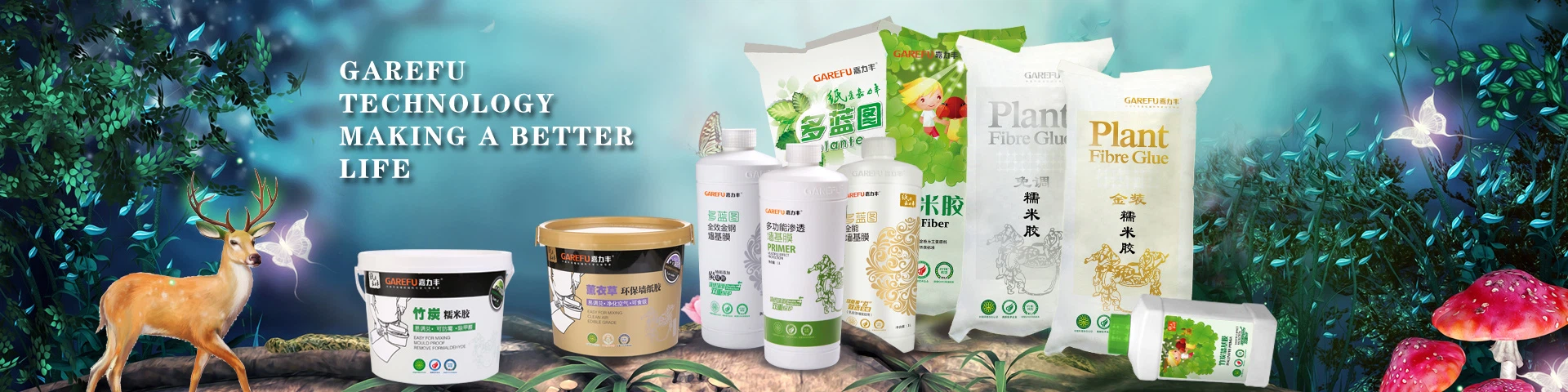
1. Nowadays, it is recognized that sticky rice glue is more environmentally friendly, and viscosity is several times of ordinary glue powder. However, there are also many fake rice glues on the market, which requires us to distinguish the authenticity. Fake rice glue is white in the body and smells of chemical composition. The adjustable type is more like jelly. It is not easy to stir. You need to add water several times, otherwise, there will be agglomeration when stirring. These are all due to the addition of starch and white latex. The purpose of such chemical additives is to save costs and make the glue look thicker. In fact, the environmental protection and viscosity are greatly reduced. Real sticky rice glue should be rice-paste-colored and has the scent of glutinous rice. No chemical additives are added. Such glue is the most environmentally friendly and can effectively extend the life of the wallpaper.
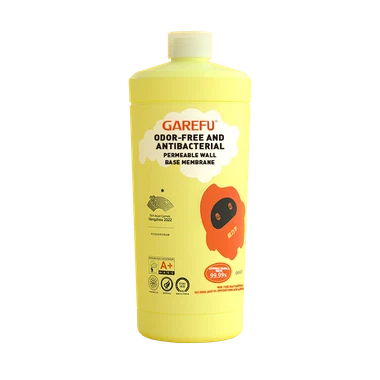
2、The sticky rice glue for wallpapering is more environmentally friendly now, mainly because the green oil for wallpapering and the protection of the wall should be paid attention to. Let it ventilate for a few days after applying the green oil. The adhesive will be less sticky. Sticky rice glue will be stronger, so the price will be higher.
3、Green oil or protective wall protection is generally indispensable, especially for home decoration.
How to paste wallpaper?
Removal of the old wall coatings: remove the original paint and other objects on the wall, use plaster powder to fill the cracked part of the wall, and put a bandage after it is leveled; if it is a sandy gray wall or a partition wall, it should be covered with glass cloth Or indeed good cloth; some poor-quality partitions or external walls need to be nailed to the gypsum board to achieve the thermal insulation effect.
Cutting wallpaper: measure the height of the wall first, and then cut the length of the wallpaper. There are two situations: do not match the flower wallpaper and cut it by 5 to 8 cm according to the height of the wall, as a top and bottom trimming; the flower wallpaper needs to consider the symmetry of the pattern. Therefore, the cutting length should be increased according to the actual situation, usually by 8 to 10 cm.
Applying the glue: apply the wallpaper glue on the back of the cut wallpaper with a brush, pay special attention to the surrounding edges that must be covered with glue to ensure the construction quality. The glued surface of the coated wallpaper should be folded and placed 5- 10 minutes (note that no external force should be applied to avoid creases on the wallpaper, especially the cloth). After the glue is completely penetrated into the bottom of the paper, it can be pasted. Paint several wallpapers and post them in order each time.
Wallpaper construction: Generally, the first wallpaper is pasted on the door or inside corner from top to bottom, scrape the wallpaper flat gently using a scraper from top to bottom, from inside to outside, squeeze out bubbles and excess glue to make the wallpaper flat and close to the wall.
Turn off the power before wallpapering; suppose you encounter a place on the wall with a power switch or socket, you can turn off the main power first, and then cover all power sources and sockets with the wallpaper, cut out two pairs from the center of gravity. The corner line will show four small triangles, and then use a utility knife to remove the excess wallpaper around.
Edge cleaning: Cut off the excess wallpaper at the upper and lower ends, and the knife-edge should be sharp to avoid burrs. When cutting some wall coverings, it is best to use a sharp blade. Then use a sponge soaked in water to completely wipe the glue remaining on the surface of the wallpaper to prevent the wallpaper from turning yellow. After the wallpaper is dry if bubbles are found on the surface, cut with a knife to inject the glue and flatten it to eliminate it (use a syringe to change it is good).
Through the above examples and comparison description, we can know that there are many glues that are suitable for pasting wallpaper, but in general, the most commonly used and the most traditional is similar to the starch glue mentioned above. Sticky rice glue is not only environmentally friendly but also has relatively good performance.
However, the glutinous rice glue and starch glue launched by many manufacturers on the market are special products. They add many chemical additives, which are not only not so environmentally friendly. , It will shorten the service life of the wallpaper, so we should comprehensively screen and distinguish.